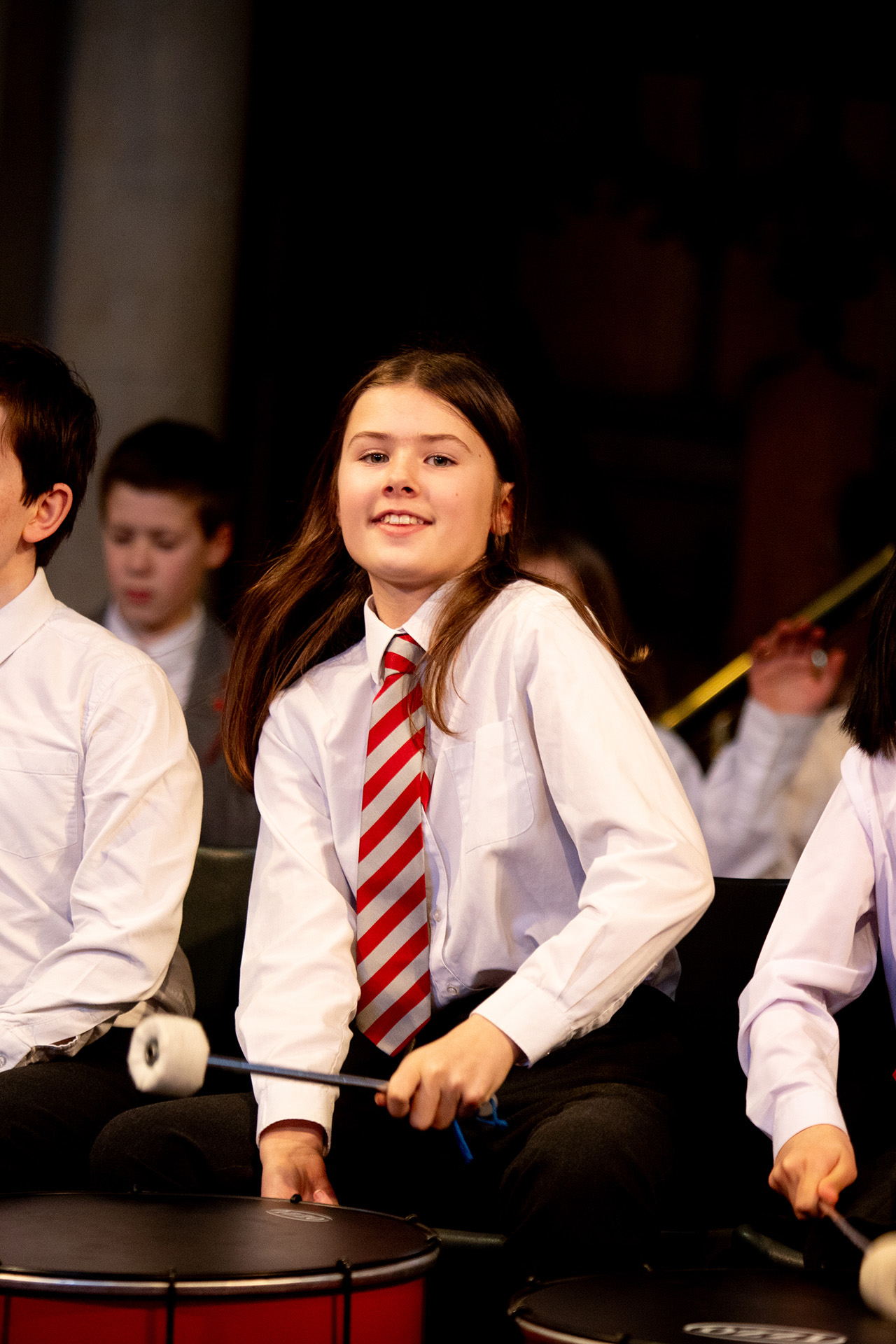
Our starting point at Heritage is visualising our end point – our pupils leaving Heritage as fully rounded people, motivated to live well, confident in themselves, skilfully and creatively engaged with ideas, with others, and with the world around them.
We want them to enjoy healthy relationships and have a rich inner life. We hope they will prove willing to live in the service of others, be well prepared to face the challenges of life and the 21st century workplace, and be active contributors to society.
In short, we want our pupils to Embrace Life during their school years and beyond.
Achieving our vision can be distilled into three convictions visible in every aspect of school life. We summarise these as ‘Knowledge’, ‘Attention’ and ‘Ownership’.
Our starting point at Heritage is visualising our end point – our pupils leaving Heritage as fully rounded people, motivated to live well, confident in themselves, skilfully and creatively engaged with ideas, with others, and with the world around them.
We want them to enjoy healthy relationships and have a rich inner life. We hope they will prove willing to live in the service of others, be well prepared to face the challenges of life and the 21st century workplace, and be active contributors to society.
In short, we want our pupils to Embrace Life during their school years and beyond.
Achieving our vision can be distilled into three convictions visible in every aspect of school life. We summarise these as ‘Knowledge’, ‘Attention’ and ‘Ownership’.
Knowledge
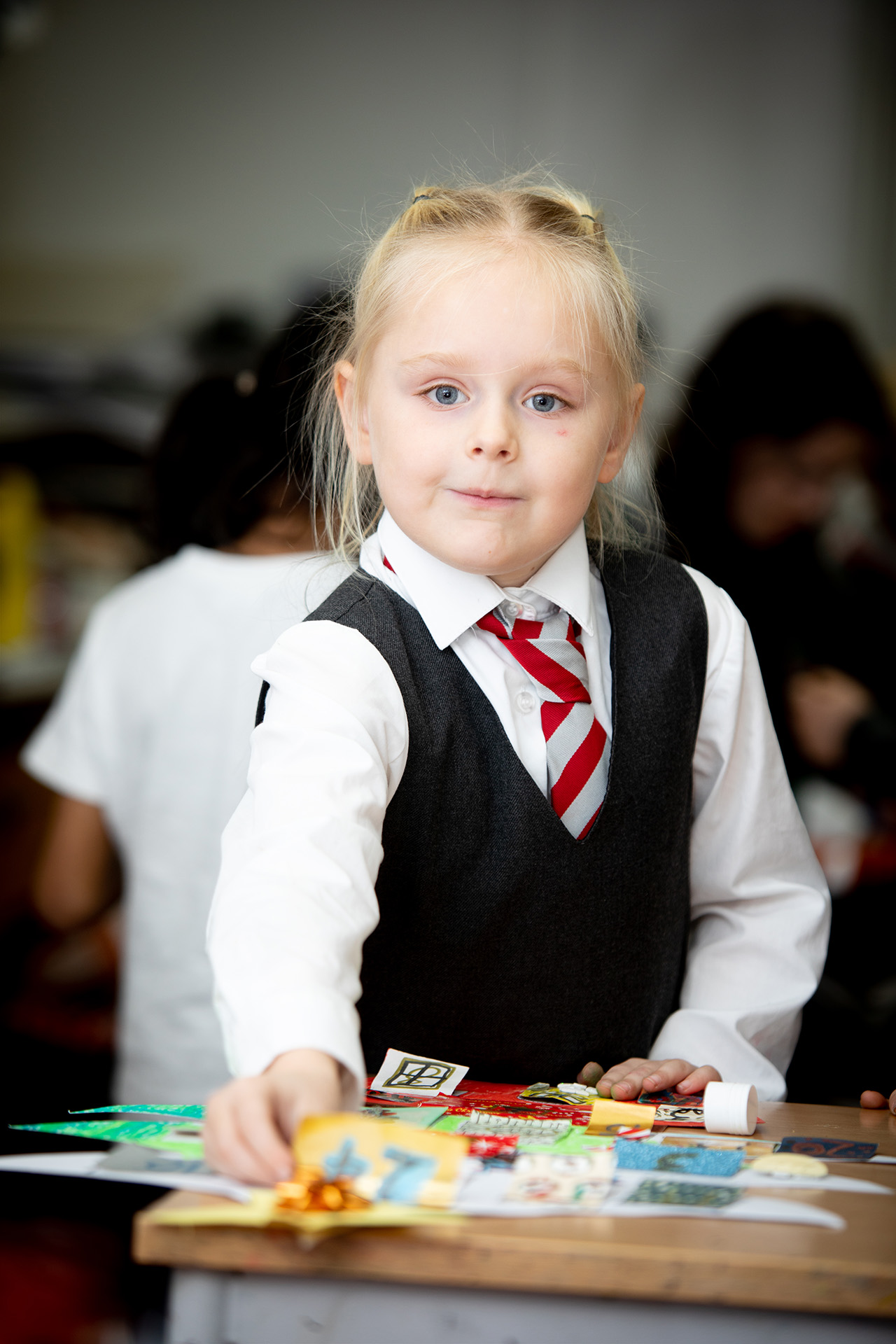
Children enter school full of curiosity and wonder. At Heritage, we capture that by actively engaging every child with our knowledge-rich curriculum, nurturing their innate positive attitude to learning.
For us, knowledge is not mere information to be spoon fed in preparation for a test. It is something vital that enables the robust growth of the mind and the unlocking of human potential. Our conviction is that children need and deserve a knowledge-rich curriculum delivered in appropriately stimulating and active ways. You will never see children at Heritage staring at interactive white boards or tablets. Instead, their days are a constant stream of activities and opportunities: hands-on maths, nature walks, great literature, experimental science, memorising poetry, appreciating great art, listening to, composing and making music, learning languages, including Latin, from a young age, and reading books, as well as enjoying all that Cambridge has to offer as an additional ‘classroom’ and lots of trips further field too.
Knowledge
Children enter school full of curiosity and wonder. At Heritage, we capture that by actively engaging every child with our knowledge-rich curriculum, nurturing their innate positive attitude to learning.
For us, knowledge is not mere information to be spoon fed in preparation for a test. It is something vital that enables the robust growth of the mind and the unlocking of human potential. Our conviction is that children need and deserve a knowledge-rich curriculum delivered in appropriately stimulating and active ways. You will never see children at Heritage staring at interactive white boards or tablets. Instead, their days are a constant stream of activities and opportunities: hands-on maths, nature walks, great literature, experimental science, memorising poetry, appreciating great art, listening to, composing and making music, learning languages, including Latin, from a young age, and reading books, as well as enjoying all that Cambridge has to offer as an additional ‘classroom’ and lots of trips further field too.
Attention
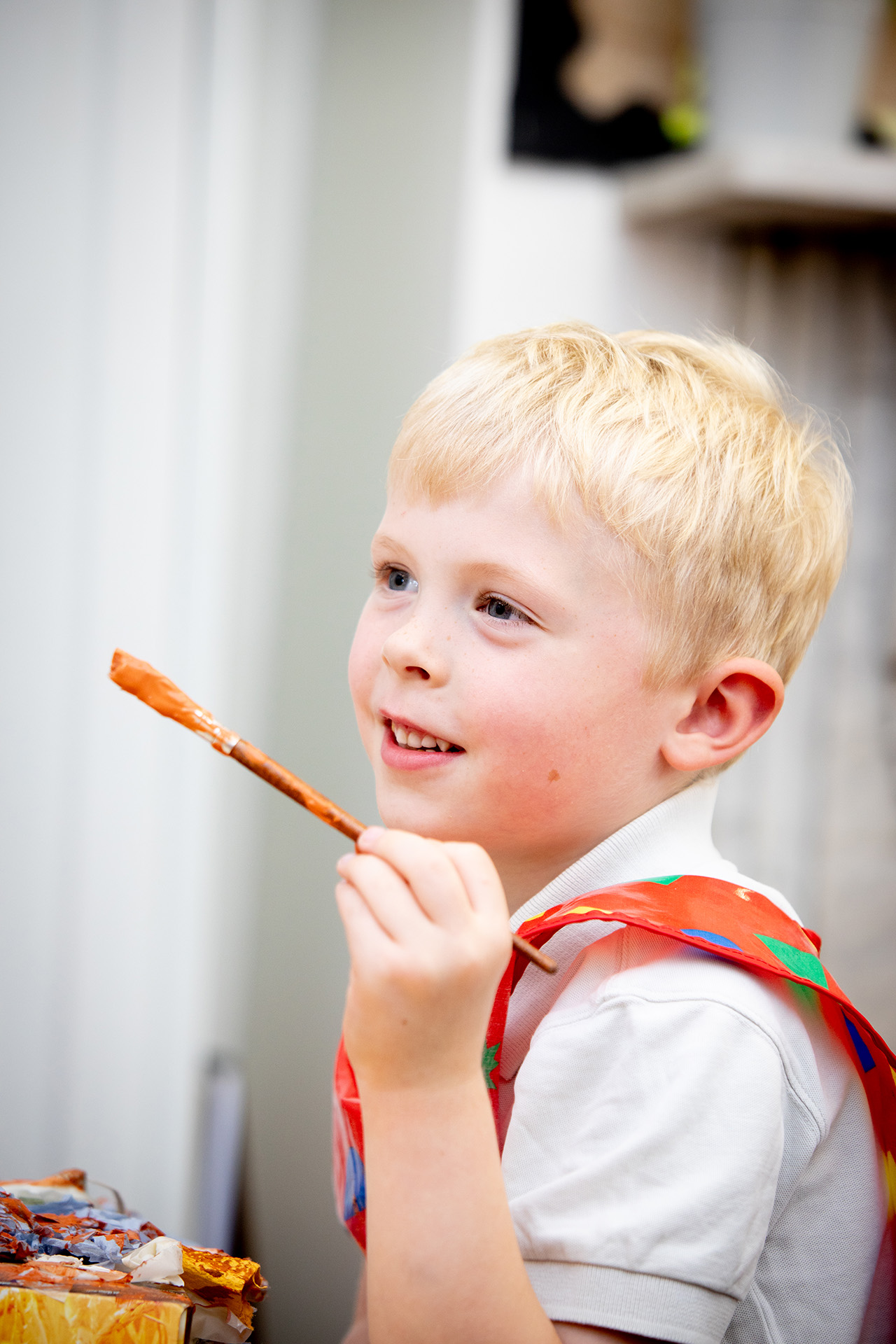
Healthy growth includes helping children develop their powers of self-management. We emphasise the formation of good habits including good behaviour in the classroom, neat work and politeness. We also place the highest priority upon helping pupils develop the intellectually critical habit of attention.
In this age of digital distractions and apathy, being able to engage with full attention is the most important skill a learner can possess. It is only with sustained concentration that a pupil can fully access the riches of our curriculum and realise their potential. For us, knowledge is essential to growth, and attention is the gateway to knowledge.
Our approach supports and develops attention from the earliest years until it becomes a habit. The content of our curriculum, the structure of our school day, our use of narration-based teaching techniques, and the calm and purposeful atmosphere of our school all contribute to building concentration and engagement.
A central part of our strategy is that we prioritise books over screens. Since our foundation in 2007, books have always been at the centre, which is why we are a screen free school. Books are the perfect tool for nurturing the sustained attention that leads to robust cognitive development. When children engage with a book their minds are active and focused, rather than passive and distracted, flitting like a butterfly.
Laptops are only brought out for lessons where it is obviously necessary to do so, such as in our Computer Science lessons or other STEM activities. Favouring books over screens has not impacted our pupils’ technological skills. Far from it. Our approach enables them to thrive in these areas, and we have had former pupils go on to study Computer Science at university, including at Oxford.
Attention
Healthy growth includes helping children develop their powers of self-management. We emphasise the formation of good habits including good behaviour in the classroom, neat work and politeness. We also place the highest priority upon helping pupils develop the intellectually critical habit of attention.
In this age of digital distractions and apathy, being able to engage with full attention is the most important skill a learner can possess. It is only with sustained concentration that a pupil can fully access the riches of our curriculum and realise their potential. For us, knowledge is essential to growth, and attention is the gateway to knowledge.
Our approach supports and develops attention from the earliest years until it becomes a habit. The content of our curriculum, the structure of our school day, our use of narration-based teaching techniques, and the calm and purposeful atmosphere of our school all contribute to building concentration and engagement.
A central part of our strategy is that we prioritise books over screens. Since our foundation in 2007, books have always been at the centre, which is why we are a screen free school. Books are the perfect tool for nurturing the sustained attention that leads to robust cognitive development. When children engage with a book their minds are active and focused, rather than passive and distracted, flitting like a butterfly.
Laptops are only brought out for lessons where it is obviously necessary to do so, such as in our Computer Science lessons or other STEM activities. Favouring books over screens has not impacted our pupils’ technological skills. Far from it. Our approach enables them to thrive in these areas, and we have had former pupils go on to study Computer Science at university, including at Oxford.
Ownership
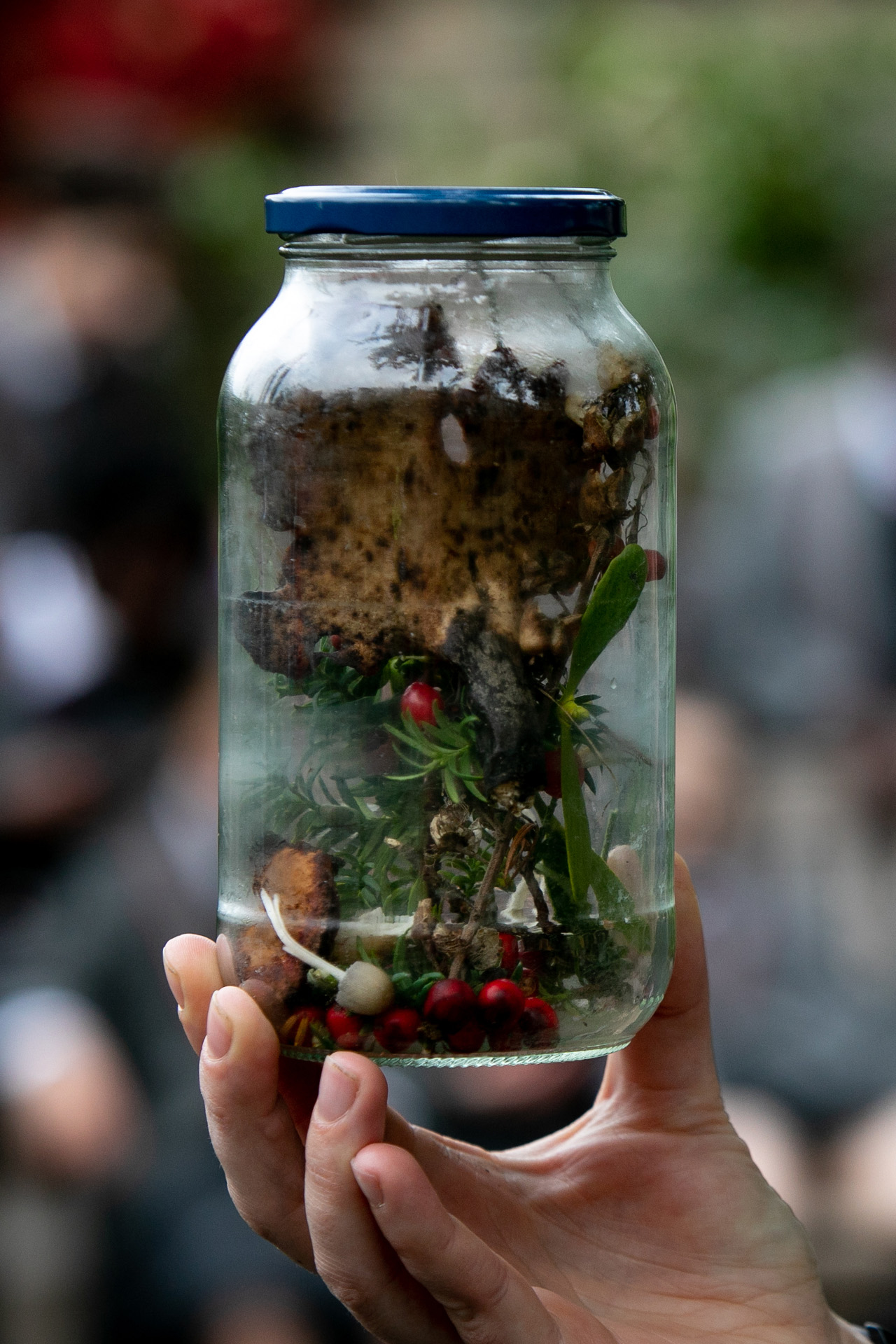
We respect every child as a whole person and empower them to take ownership of their learning, behaviour and roles in school life. This is enabled by our size, the exceptional quality of our staff, and our intentional focus on attitudes and values.
The structure and size of Heritage school is by design. Our class sizes of around 18, mean every individual is noticed, valued and supported. We work hard to encourage good relationships throughout the school, something intrinsic to the health of any community. We also place importance on children’s developing attitudes, including their attitudes toward failure and their ability to persevere. A concern for attitudes also touches the deeper values and beliefs children internalise and by which they begin to order their lives.
Our theory has always been that pupils who are well looked after and who feel that they belong will have the emotional stability to flourish both personally and academically, and this has proven true. Our GCSE results are consistently among the best in Cambridge, but what matters most is seeing our pupils leave Heritage as capable, confident, centred and engaged young people.
Ownership
We respect every child as a whole person and empower them to take ownership of their learning, behaviour and roles in school life. This is enabled by our size, the exceptional quality of our staff, and our intentional focus on attitudes and values.
The structure and size of Heritage school is by design. Our class sizes of around 18, mean every individual is noticed, valued and supported. We work hard to encourage good relationships throughout the school, something intrinsic to the health of any community. We also place importance on children’s developing attitudes, including their attitudes toward failure and their ability to persevere. A concern for attitudes also touches the deeper values and beliefs children internalise and by which they begin to order their lives.
Our theory has always been that pupils who are well looked after and who feel that they belong will have the emotional stability to flourish both personally and academically, and this has proven true. Our GCSE results are consistently among the best in Cambridge, but what matters most is seeing our pupils leave Heritage as capable, confident, centred and engaged young people.
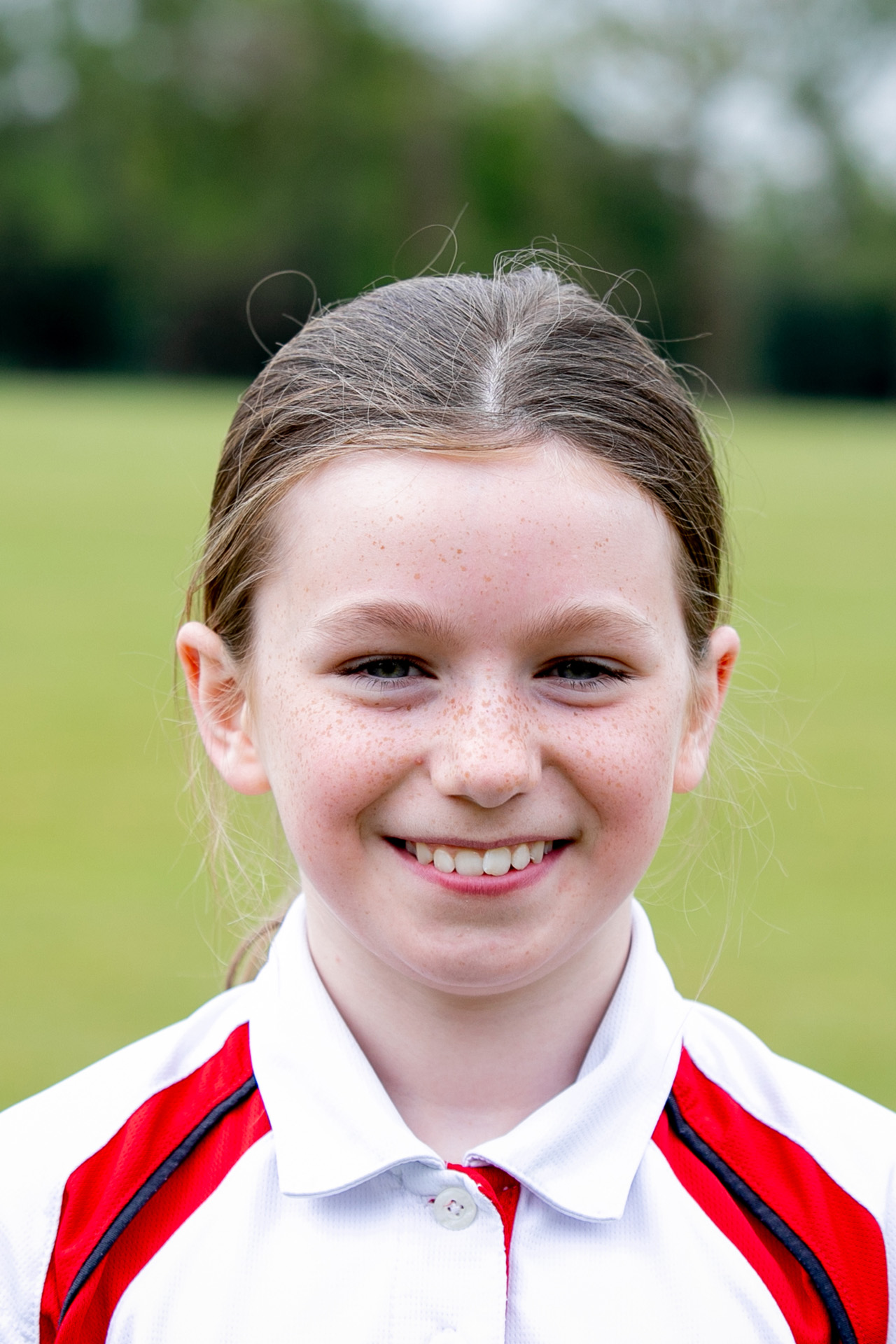
“What primarily sets it apart is a philosophy of childhood and education that is unlike any other school that we are aware of. Based on our experience so far, we could not recommend it more.”
— Infant School Parent
Whilst founded in 2007, Heritage School’s educational approach goes back much further. It was inspired by Charlotte Mason, a British educational reformer who founded the PNEU and wrote in the nineteenth and early twentieth centuries.
The centre-point of Charlotte Mason’s philosophy is the recognition that a child is not a bucket to be filled, a lump of clay to be moulded, or a machine to be calibrated. Rather, every child is a person – equal in dignity and value to any other.
Heritage founder Fiona Macaulay-Fletcher experienced Charlotte Mason’s approach first-hand as a child at her PNEU prep school in Sussex. Fiona’s parents were so struck by the humanity and scope of the education Fiona was receiving that they explored the philosophy behind it in great depth. The ultimately led Fiona’s mother, Susan Schaeffer-Macaulay, to write a best selling book For the Children’s Sake about Charlotte Mason in 1984, which rekindled interest in her approach and led to the foundation of the UK charity Child Light Limited in 1994. Child Light Limited is the charitable company which operates Heritage School.
Charlotte Mason’s approach has profoundly shaped our approach and our conception of the goal of education, and we continue to apply Charlotte Mason’s philosophy to our practice of education today. In recognition of this, Headmaster, Jason Fletcher, was recently appointed Professor of Practice in Charlotte Mason Studies at the University of Cumbria.
“What primarily sets it apart is a philosophy of childhood and education that is unlike any other school that we are aware of. Based on our experience so far, we could not recommend it more.”
— Infant School Parent
Whilst founded in 2007, Heritage School’s educational approach goes back much further. It was inspired by Charlotte Mason, a British educational reformer who founded the PNEU and wrote in the nineteenth and early twentieth centuries.
The centre-point of Charlotte Mason’s philosophy is the recognition that a child is not a bucket to be filled, a lump of clay to be moulded, or a machine to be calibrated. Rather, every child is a person – equal in dignity and value to any other.
Heritage founder Fiona Macaulay-Fletcher experienced Charlotte Mason’s approach first-hand as a child at her PNEU prep school in Sussex. Fiona’s parents were so struck by the humanity and scope of the education Fiona was receiving that they explored the philosophy behind it in great depth. The ultimately led Fiona’s mother, Susan Schaeffer-Macaulay, to write a best selling book For the Children’s Sake about Charlotte Mason in 1984, which rekindled interest in her approach and led to the foundation of the UK charity Child Light Limited in 1994. Child Light Limited is the charitable company which operates Heritage School.
Charlotte Mason’s approach has profoundly shaped our approach and our conception of the goal of education, and we continue to apply Charlotte Mason’s philosophy to our practice of education today. In recognition of this, Headmaster, Jason Fletcher, was recently appointed Professor of Practice in Charlotte Mason Studies at the University of Cumbria.